The Museum offers full and half-day workshops that demonstrate ways to integrate the use of artifacts, primary source documents, architecture, and personal narrative into the social studies curriculum. Workshops give participants the opportunity to observe and test the Museum's innovative methods of using history to prompt students to explore contemporary issues. Workshops also provide educators with resources to enrich classroom learning.
As is true of all the Museum's educational programs, these workshops were developed in keeping with the goals of the New York City Board of Education's K-8 Social Studies Scope and Sequence, as well as current 9-12 grade curriculum standards.
Individuals can register for full day workshops held throughout the year. The Museum also offers full or half-day workshops for private groups. Dates and times are flexible. A minimum of 10 educators and a maximum of 30 educators are allowed per workshop.
For rates and availability, please call Harrison Rivers at 212.431.0233, ext. 255.
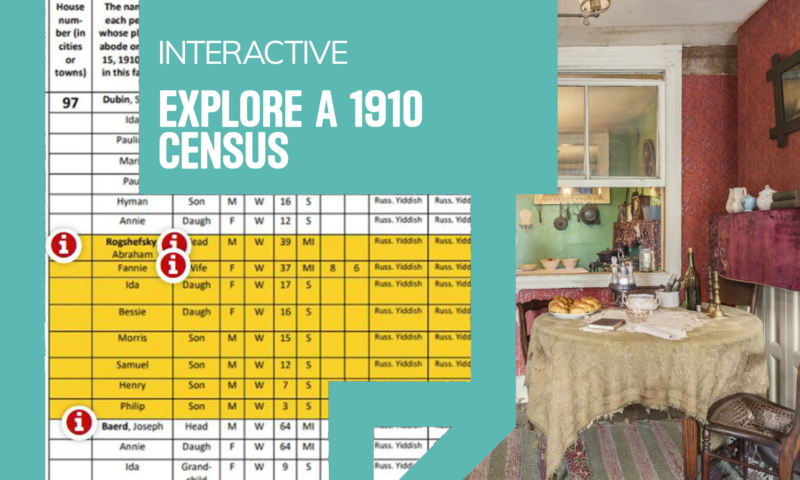
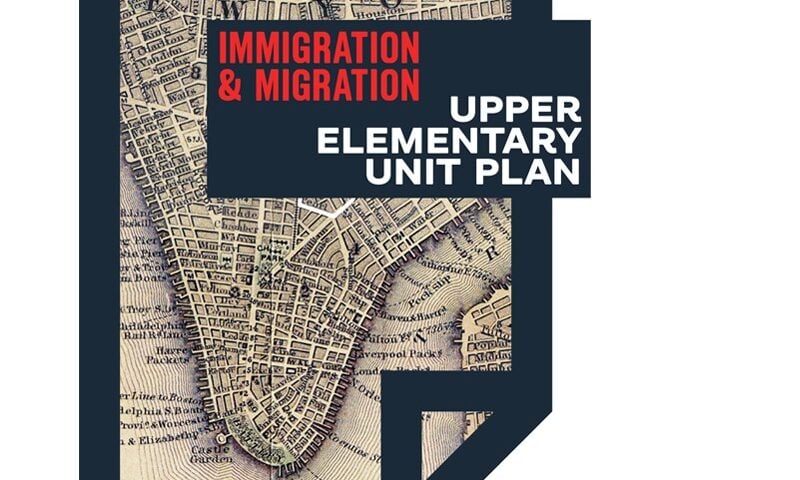
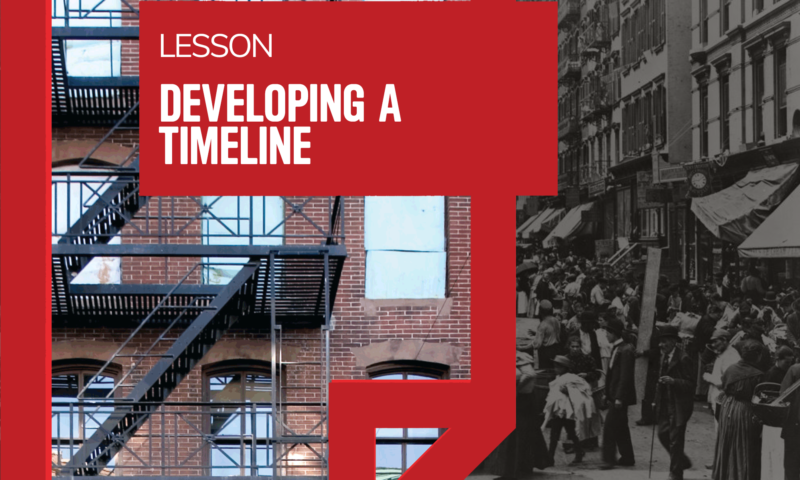
Using the tenement at 97 Orchard St. as a primary source, educators will examine how historians use New York City’s built environment to piece together stories of the past. Participants will explore how the Lower East Side has been developed, shared and recycled by successive waves of immigrants, and learn how immigration has driven the development of the city’s infrastructure. Educators will learn architectural vocabulary, as well as gather ideas for how to use their schools’ neighborhoods to discuss history, decorative arts and community interaction. Adaptable for all grade levels but specifically meets Scope and Sequence framework for: Grade 2; Unit 2, Grade 4; Unit 5, Grade 5; Unit 5, Grade 8; Units 1 and 2.
Participants will examine the Progressive Era through the lens of the Museum’s Tenement Inspectors program, an interactive, inquiry based program which uses museum space as a playground for exploring the complexity of social and political change. Attendees will take on the role of tenement inspectors in-training in the year 1906-- real historical characters hired for their “sober, vigilant, honest, consciences,” to inspect New York City’s tenements and ensure that the reforms of the 1901 Tenement House Act were promptly and properly enforced. Educators will learn techniques to teach history through multiple perspectives and will explore how to stimulate dialogue among students on what it means to be American; what are the rights of those who live in America and what responsibilities do we have for each other. Adaptable for all grade levels but specifically meets Scope and Sequence framework for: Grade 4; Units 4 and 5, Grade 5; Unit 5, Grade 8; Units 1, 2 and 6.
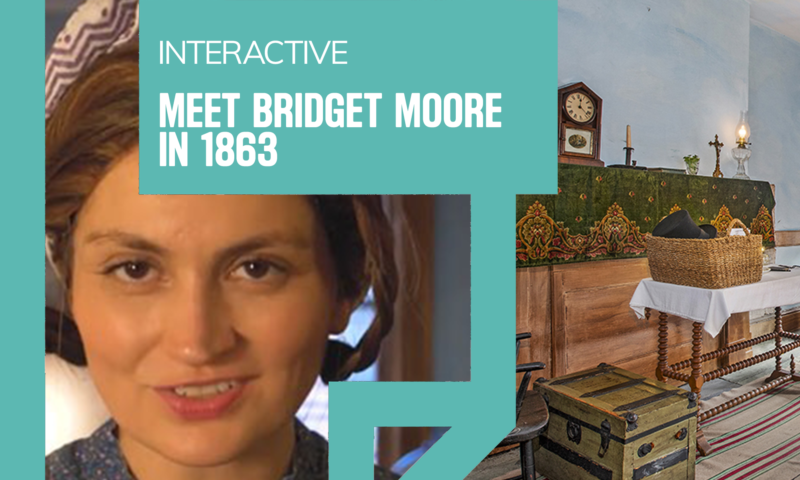
Developed to assist educators in complying with recent New York State education laws, participants will study Irish immigration through the Moore Family, whose 97 Orchard St. apartment is the first historic site to document the daily lives of working-class Irish immigrants in New York. Educators will work with lesson plans centered on Irish mourning rituals, the traditional Irish ballad, and the American Wake. Participants will also analyze political cartoons, broadsides and song as primary sources as well as gain strategies for how to connect the history of the Famine to the human rights issues of the contemporary world. Adaptable for all grade levels but specifically meets Scope and Sequence framework for: Grade 3; Units 2-7, Grade 4; Unit 5, Grade 5; Unit 5, Grade 7, Unit 4, Grade 8; Units 1-3 and 6, NYS Education Law: Article 17, Sections 801-802
This workshop frames the history of New York City through the overlapping cultural cuisines of the Lower East Side. Participants will examine how immigrants use food to preserve heritage, celebrate rites of passage, and survive periods of economic turmoil. Educators will work with artifacts, menus, and other primary sources to explore how traditional ethnic dishes have changed the definition of American cuisine as well as how these dishes have been adapted for American palates. Adaptable for all grade levels but specifically meets Scope and Sequence framework for: Grade 1; Units 1 and 2, Grade 2; Unit 2, Grade 3; Units 2-7, Grade 4; Unit 5, Grade 8; Units 1, 4 and 6.
Teachers will explore how personal narrative can enhance the study of immigration history by challenging assumptions, encouraging multiple perspectives and putting a human face on the past. Educators will learn to teach students to conduct oral histories and explore creative ways for integrating personal narrative in the classroom. This workshop can utilize many combinations of the apartments in 97 Orchard St. and can be adapted to meet the historical content interests of most private groups. Adaptable for all grade levels
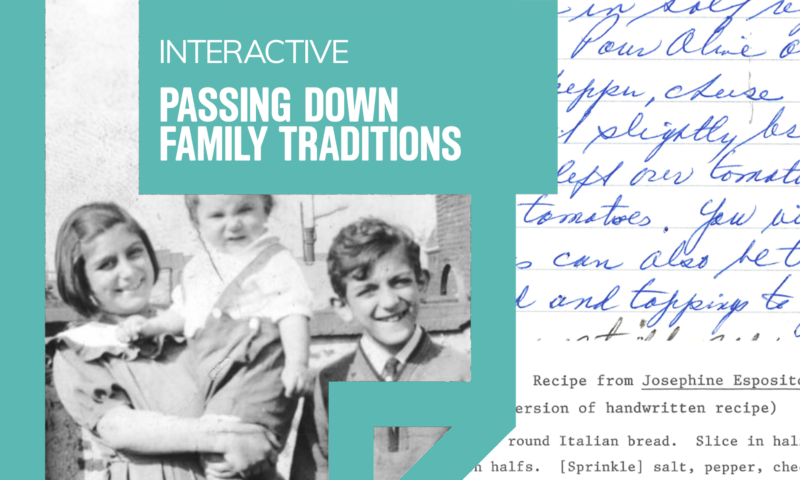
Specifically designed to compliment the needs of elementary school educators, this workshop uses immigration history to explore the ideas of family, community, identity, and culture. Participants will explore how historians piece together individual and family stories through oral histories, artifacts, and primary sources. Educators will work with costumed interpreters who present the lives of 97 Orchard St. residents as well as the living descendents who have informed the Museum’s interpretation of history. Adaptable for all grade levels but specifically meets Scope and Sequence framework for: Grade 1; Units 1- 4, Grade 2; Unit 2, Grade 4; Unit 5
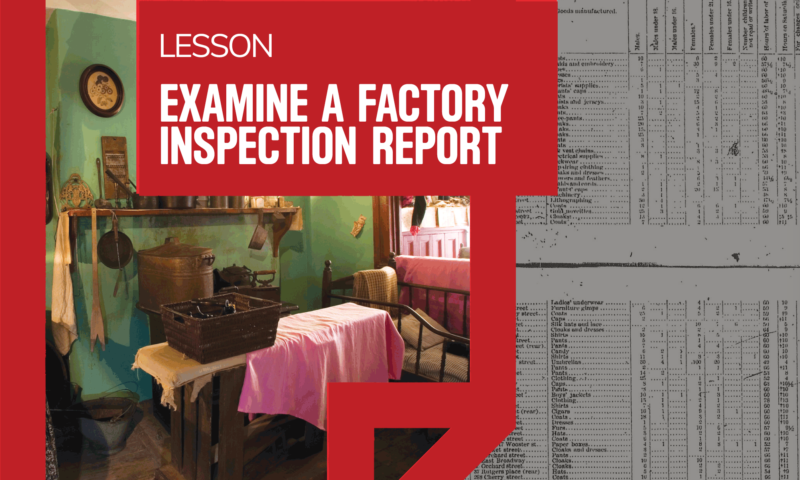
Participants in this workshop examine the period of American Industrialization through on-site visits to 97 Orchard St. and other LES historic sites. Educators are given the unique opportunity to explore how Industrialization was experienced by different economic classes through primary sources, artifacts, and personal narrative. Adaptable for all grade levels but specifically meets Scope and Sequence framework for: Grade 4; Unit 5, Grade 5; Unit 2, Grade 7; Unit 4, Grade 8; Units 1 and 2.
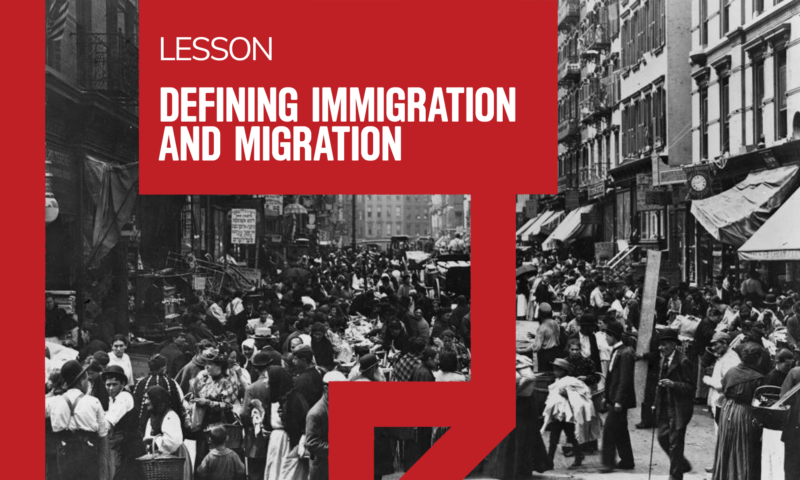
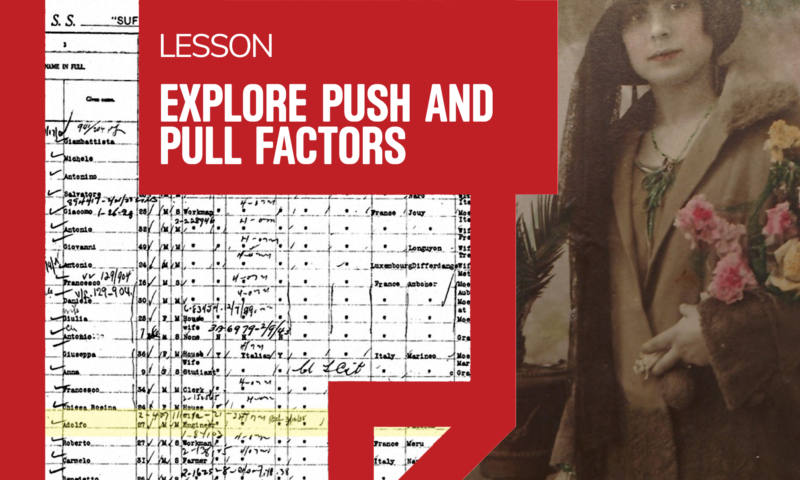
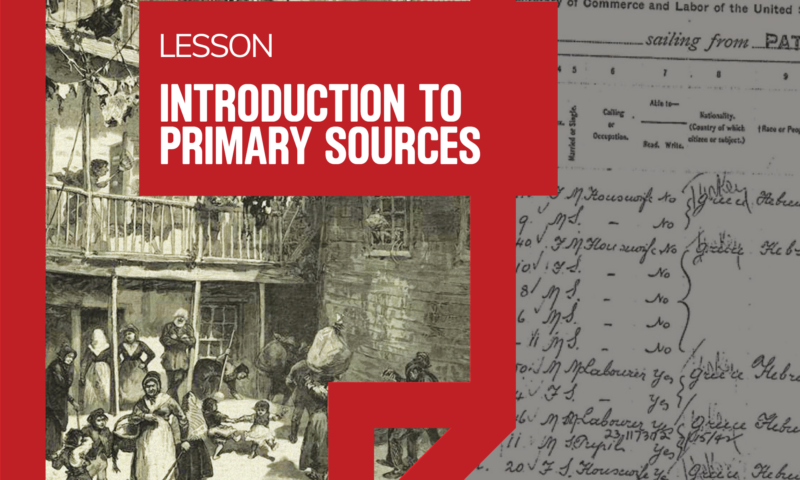
Participants will discover innovative ways to introduce students to the complexities of immigration throughout U.S. history. The workshop will provide historical content through primary source documents and exhibits, and provide pedagogical strategies for using primary sources in the classroom. This workshop can utilize any combination of the apartments in 97 Orchard St. and can be adapted to meet the historical content interests of most private groups. Adaptable for all grade levels.
THE TENEMENT MUSEUM IS CURRENTLY ACCEPTING REGISTRATIONS FOR THE FOLLOWING PROFESSIONAL DEVELOPMENT WORKSHOPS:
May 20, 2010 – The Immigrant Family, 8:30 a.m. - 3:00 p.m. This workshop is being offered through the NYC DOE. Please register through the DOE website.
May 24, 2010 - Taste of the Tenement: Using Food to Teach Culture, 8:30 a.m. - 3:00 p.m. This workshop is being offered through the NYC DOE. Please register through the DOE website.
July 14-15, 2010 - Built with a Purpose: Immigrants, Health and Architecture, 8:30 a.m. - 3:00 p.m. This is a two-day workshop with Save Ellis Island. Educators will investigate how public health and the Sanitary Movement impacted immigration in the 20th century and examine how the built environment of the Lower East Side defined the health and welfare of New York City.